
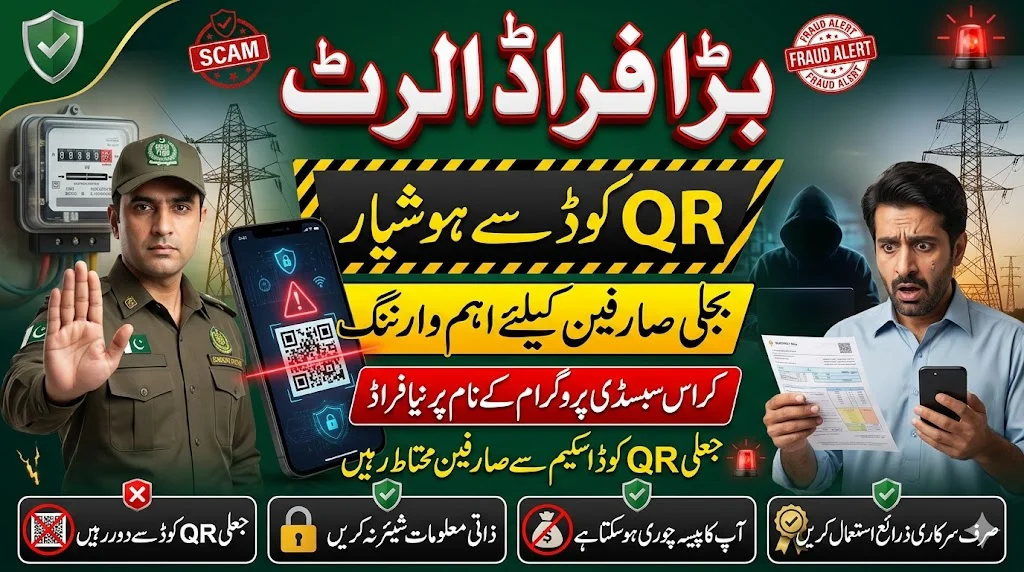
Electricity consumers across Pakistan are being advised to remain cautious as reports of fake subsidy registration campaigns continue to increase. With growing public interest in the Cross Subsidy Program CSS PITC COM PK, scammers are attempting to exploit consumers by creating fraudulent websites, misleading social media posts, and fake registration forms that request electricity bill details and QR code information.
Many users searching for Electric Bill Relief, Cross Subsidy Program registration, and CSS PITC subsidy verification may unknowingly encounter unofficial platforms that appear legitimate. These websites often promise quick approval, instant subsidy benefits, or guaranteed registration in exchange for personal information.
Before sharing your electricity bill, QR code, CNIC details, or mobile number, it is important to understand how these scams work and how you can protect yourself from fraud.
What Is the Cross Subsidy Program CSS PITC COM PK?
The Cross Subsidy Program has attracted significant attention among electricity consumers who are looking for relief from rising electricity costs. Thousands of households are searching online for information about eligibility requirements, registration procedures, and subsidy benefits.
As public awareness increases, fraudsters often use the popularity of government-related programs to create misleading websites and fake registration campaigns.
Consumers should remember one important rule: always verify information through recognized and trusted sources before sharing any personal details.
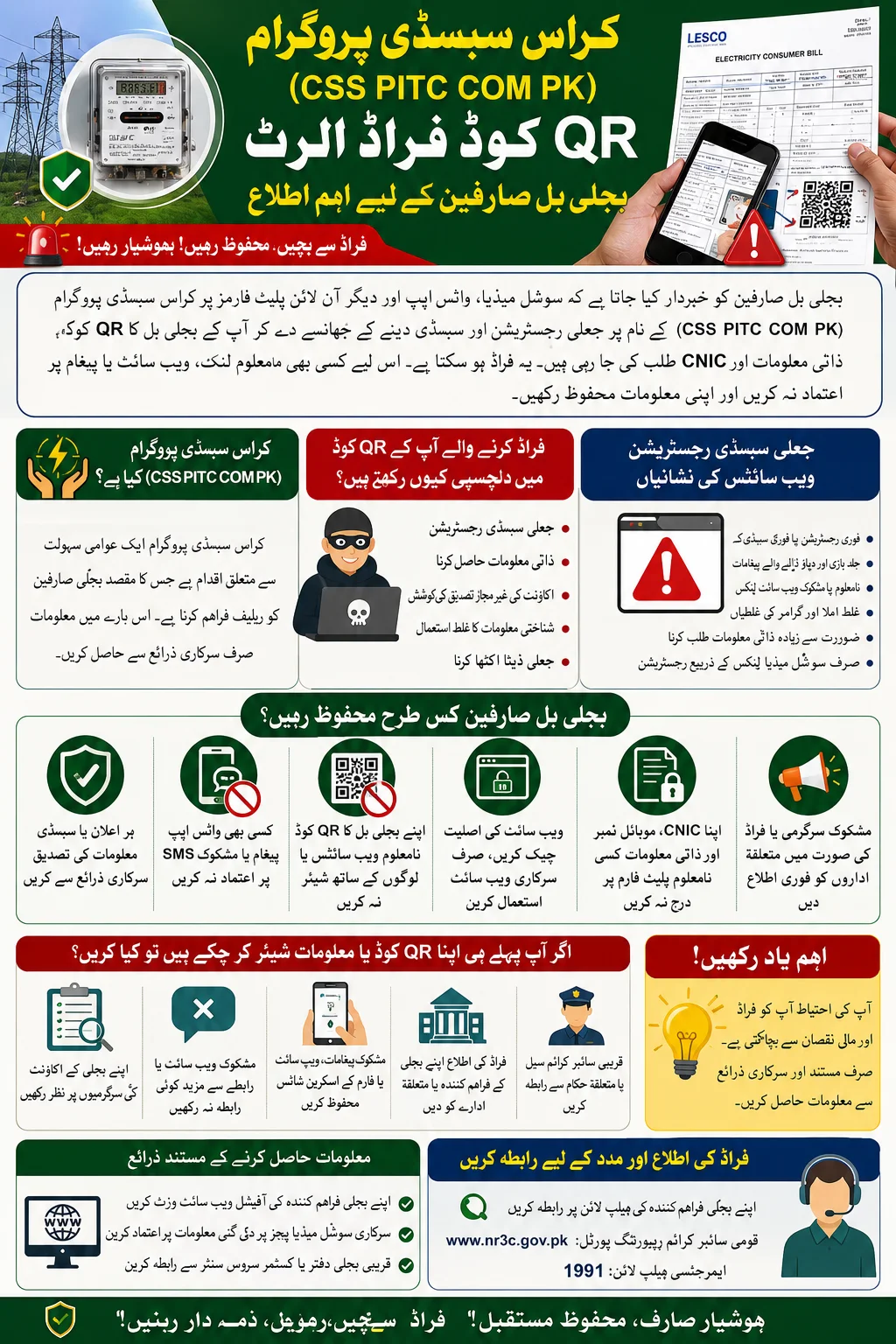
Why Electricity Bill QR Code Fraud Is Becoming a Serious Concern
Over the last few months, many consumers have reported receiving messages through WhatsApp, Facebook, Telegram, and SMS claiming they can receive electricity bill discounts after scanning or uploading their electricity bill QR code.
These messages often create urgency by using phrases such as:
- Apply today to secure your subsidy
- Limited registration period
- Verify your bill immediately
- Instant approval available
- Complete QR verification now
Such messages are designed to pressure users into acting quickly without checking whether the source is legitimate.
The increasing use of digital platforms has unfortunately made it easier for scammers to target electricity consumers searching for relief programs.
Why Scammers Want Your Electricity Bill QR Code
Many people assume that the QR code printed on their electricity bill is only used for payment purposes. However, scammers may attempt to misuse information linked to the bill for fraudulent activities.
Potential risks include:
Fake Subsidy Registrations
Fraudsters may collect your details under the pretense of registering you for an electricity subsidy.
Personal Information Collection
Scammers often gather CNIC numbers, mobile numbers, and electricity account details through fake forms.
Unauthorized Verification Attempts
Some fraud campaigns attempt to use consumer information for fake account verification processes.
Identity-Linked Fraud Activities
When combined with other personal information, electricity bill details can sometimes be misused for unauthorized purposes.
For this reason, consumers should never upload electricity bill QR codes to unknown websites or share them with unverified sources.
Warning Signs of a Fake Electricity Subsidy Website
Many fraudulent websites are designed to look professional. Some even copy government-style layouts and logos to appear authentic.
Before submitting any information, look for these common warning signs.
Unrealistic Promises
If a website guarantees approval without verification, it should raise concerns.
Urgent Action Messages
Fraudsters often create panic by claiming registration deadlines are about to expire.
Suspicious Website Domains
Always check the website address carefully.
Requests for Excessive Information
Be cautious if a website asks for information that appears unnecessary.
Poor Grammar and Spelling Errors
Many scam websites contain noticeable language mistakes.
Social Media Links Only
If registration is available only through forwarded messages or social media links, verify the information carefully before proceeding.
How Electricity Consumers Can Stay Safe
Protecting your personal information is easier than many people think. A few simple precautions can significantly reduce the risk of becoming a victim of fraud.
Verify Information Before Registering
Always confirm registration announcements through trusted sources.
Avoid Sharing Bill Screenshots Publicly
Your electricity bill contains important account-related information.
Do Not Upload QR Codes to Unknown Platforms
Only use trusted and verified registration systems when required.
Ignore Suspicious WhatsApp Messages
Forwarded messages are one of the most common ways scammers spread misinformation.
Check Website Authenticity
Review the domain name and website details before entering personal information.
Stay Updated Through Reliable Sources
Following authentic updates can help you avoid misleading information.
Common Mistakes Consumers Make
Many fraud cases occur because consumers unknowingly trust information without verifying it.
Some common mistakes include:
Clicking Every Registration Link
Not every subsidy-related link is genuine.
Trusting Viral Social Media Posts
A post receiving thousands of shares does not automatically make it trustworthy.
Providing Personal Information Too Quickly
Take time to verify before submitting details.
Ignoring Website Addresses
Many users focus on logos and designs while overlooking suspicious domains.
Avoiding these mistakes can help protect your information.
What To Do If You Already Shared Your QR Code
If you have already submitted your electricity bill details on a suspicious website, do not panic.
Instead, follow these steps:
Monitor Your Electricity Account
Watch for any unusual activity related to your account.
Save Evidence
Take screenshots of messages, websites, and forms.
Stop Communication
Avoid interacting further with suspicious websites or individuals.
Report Fraud Attempts
Inform the relevant authorities if you suspect fraudulent activity.
Remain Alert
Scammers may attempt to contact victims again using different methods.
Acting quickly can help minimize potential risks.
How Digital Utility Scams Are Evolving
As more public services become available online, scammers continue developing new tactics to target consumers.
Electricity bill users are increasingly being targeted because utility services involve large numbers of consumers searching for relief programs, subsidy opportunities, and payment assistance.
Fraud campaigns often evolve quickly, which is why public awareness remains one of the most effective forms of protection.
Consumers who verify information before taking action are far less likely to become victims of online scams.
Important Safety Tips for Electricity Consumers
To protect yourself from QR code fraud and fake subsidy campaigns:
- Never share your QR code unnecessarily.
- Verify every subsidy announcement.
- Avoid unofficial registration portals.
- Ignore suspicious SMS messages.
- Be cautious of instant approval promises.
- Keep your CNIC and electricity account information secure.
- Report suspicious activity immediately.
A few minutes of caution can prevent serious problems later.
Frequently Asked Questions (FAQs)
What is the Cross Subsidy Program CSS PITC COM PK?
It is a subsidy-related initiative that has attracted attention from electricity consumers looking for bill relief information and updates.
Is it safe to share my electricity bill QR code online?
Consumers should only share electricity bill information through trusted and verified channels.
How can I identify a fake subsidy registration website?
Look for suspicious website domains, urgent pressure messages, unrealistic promises, and requests for unnecessary personal information.
Why are scammers targeting electricity bill users?
Fraudsters often target popular government-related programs to collect consumer information through fake registration systems.
What should I do if I submitted my QR code on an unknown website?
Monitor your account activity, save evidence, stop further interaction, and report suspicious activity if necessary.
Final Words
The growing popularity of the Cross Subsidy Program CSS PITC COM PK has unfortunately created opportunities for online scammers targeting electricity consumers. While many people are searching for Electric Bill Relief and subsidy-related information, it is essential to remain cautious and verify every registration opportunity before sharing personal details.
Electricity bill QR codes, account information, and CNIC details should only be provided through trusted channels. Staying informed and verifying information carefully remains the best defense against online fraud and misleading subsidy registration schemes.